

Parliament
THÉODORE DATOUO BECOMES THE FIFTH SPEAKER IN THE HISTORY OF CAMEROON'S NATIONAL ASSEMBLY

Njila Boris
March 2026
2 min read
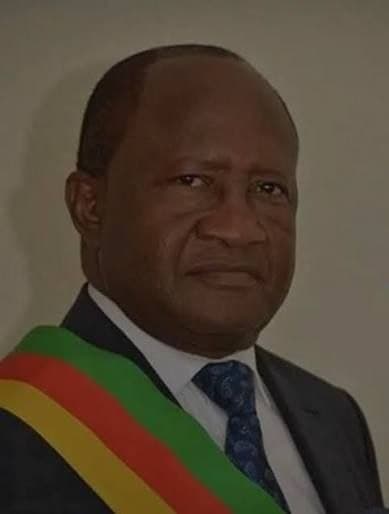
The hemicycle had barely settled when history quietly walked in and took its seat. After 34 years of an era that many had come to regard as permanent, Cameroon's National Assembly has a new Speaker.
Théodore Datouo, 66, a parliamentarian and businessman from Bangou in the Hauts-Plateaux division of the West Region, was on Tuesday elected fifth Speaker of the National Assembly since the institution's creation in 1962. He secured 133 votes out of 147 valid ballots cast, representing over 90 percent of the vote, with 14 lawmakers returning null ballots. The sole candidate on the ballot, his election was decisive, if not entirely surprising.
He replaces Cavaye Yeguié Djibril, 86, who had presided over the lower chamber without interruption since 1992, making him one of the longest-serving parliamentary speakers not just in Cameroon, but on the entire African continent. Cavaye's tenure spanned the return of multiparty politics, five presidential terms, and more than half of independent Cameroon's history. His departure from the perchoir closes a chapter that many younger Cameroonians have never known any different.
The vote took place under the watchful eye of the provisional bureau, led by Eldest Member Honourable Marlyse Soppo Toute, who after verifying the quorum in accordance with the Standing Orders, declared the chamber fit to proceed. There was only one item on the agenda : the election of the permanent bureau. The sitting space, by all accounts, was filled to capacity, with parliamentarians, guests and observers spilling into the corridors.
Before his elevation to the speakership, Datouo had served as one of the five Vice Presidents of the National Assembly and had been a member of parliament since 2007. He is also credited with overseeing a significant part of the construction of the National Assembly's new headquarters in Yaoundé, the building widely referred to as the Paul Biya Glass Palace. His roots in the institution run deep, even if his name had not always occupied the front pages.
In his acceptance speech, the new Speaker expressed gratitude to President Paul Biya, National Chairman of the ruling CPDM, for the confidence placed in him, thanked his fellow lawmakers for their vote and pledged to be a listening ear to all members of parliament regardless of political affiliation. He also paid tribute to his predecessor, acknowledging the weight of a legacy that few could match in longevity.
The transition, managed entirely within the structures of the ruling party, is significant in its symbolism even if it represents continuity in its political character. The National Assembly, long perceived in some quarters as a chamber that follows rather than leads, now has an opportunity to recalibrate under new stewardship. Whether Datouo will use the speakership to strengthen parliamentary oversight, deepen bilingual representation and bring the institution closer to ordinary citizens remains the defining question of his tenure.
Tuesday's election in Yaoundé was not a revolution. But in a political landscape where some figures seem to outlast the institutions themselves, the peaceful transfer of the speaker's chair carries its own quiet significance. Cameroon's lower house has turned a page. The rest of the story is yet to be written.