

Parliament
FROM THE LAMIDATE OF REY BOUBA TO THE SENATE PRESIDENCY : ABOUBAKARY ABDOULAYE BECOMES CAMEROON'S SECOND EVER SENATE PRESIDENT

Njila Boris
March 2026
2 min read
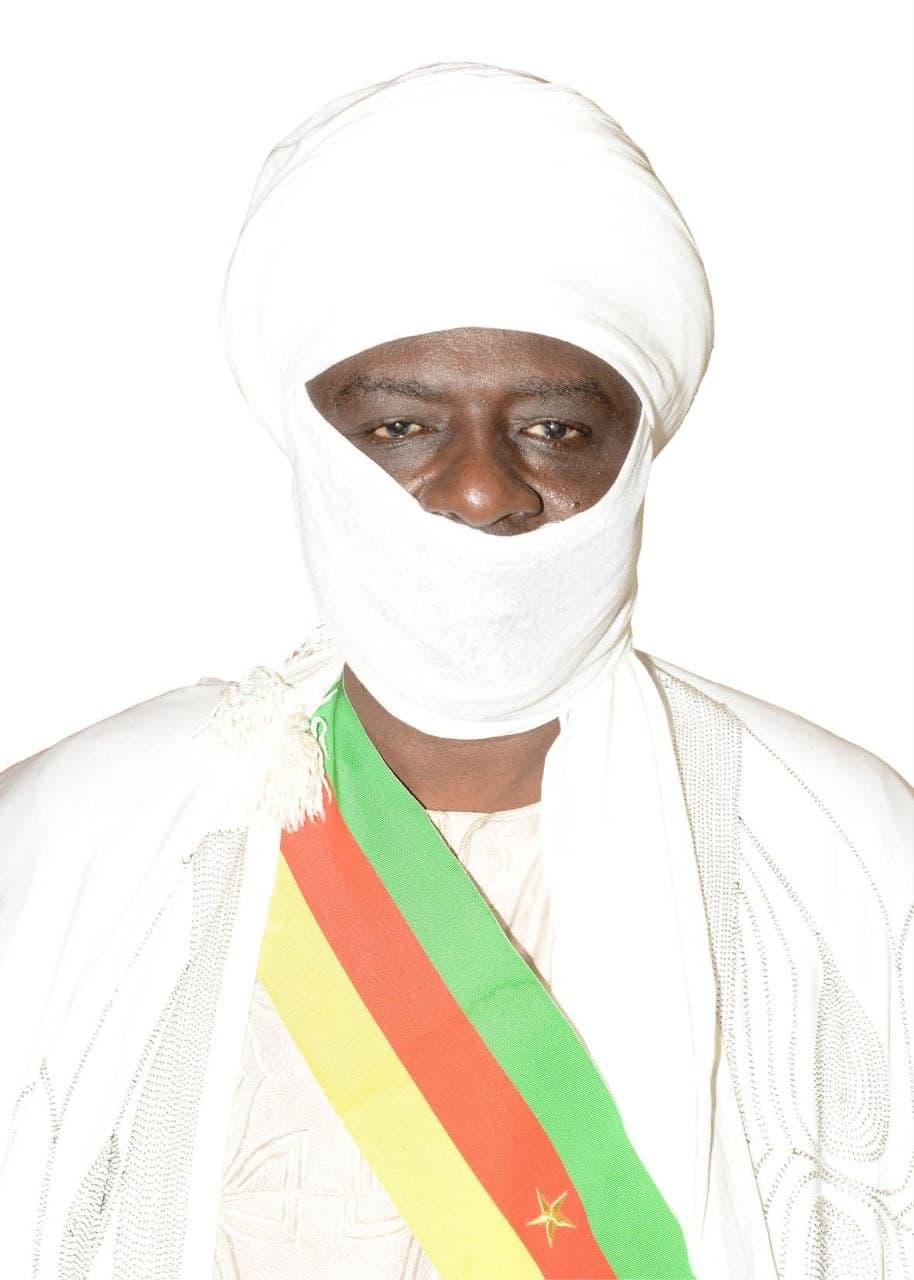
He has governed a territory the size of a small country. He has served in the corridors of the presidency, navigated the bureaucracy of government ministries and quietly steered the upper house of parliament through years of his predecessor's declining health. On Tuesday evening, Aboubakary Abdoulaye's long journey through Cameroonian public life reached its most consequential destination yet.
Elected with 84 votes representing 100 percent of the ballots cast, the 64-year-old senator from the North Region became only the second President of the Senate since the institution was established in 2013. He succeeds Marcel Niat Njifenji, who had led the chamber from its very first session and whose prolonged absences due to age and ill health had, in practice, already transferred much of the institutional weight onto Abdoulaye's shoulders long before Tuesday's formal vote.
The transition, in other words, had been quietly underway for some time. What changed on Tuesday was the title.
Born on 21 December 1961, Aboubakary Abdoulaye is a man of two worlds, and he has never been forced to choose between them. On one hand, he is a trained civil administrator, a graduate of the National School of Administration and Magistracy, known by its French acronym ENAM, who rose steadily through the machinery of the Cameroonian state. He served as head of records and archives at the Directorate of Presidential Correspondence, as an attaché to the Civil Cabinet of the Presidency, and later within the Prime Minister's office before being appointed Secretary of State for Agriculture in 1995. He also chaired the board of MAETUR, the public agency in charge of urban and rural land development.
On the other hand, he is the Lamido of Rey Bouba, sovereign of one of the most historically significant lamidates in Central Africa. Stretching across 36,000 square kilometres of savannah in the North Region, the Lamidate of Rey Bouba is no ordinary chieftaincy. He inherited the throne in 2006 following the death of his father, assuming command of a territory where the authority of the lamido has historically carried the force of a state within a state. The combination of that traditional weight with a career forged inside the republican institutions of Cameroon makes him a rare and formidable profile in the country's political landscape.
He has been a CPDM senator representing the North Region since the Senate's inaugural session in 2013, and served as its First Vice President right up until his elevation. That role became increasingly substantive as Niat Njifenji's ability to preside over daily affairs diminished. Senate communiqués during those years routinely featured Abdoulaye leading delegations, receiving foreign dignitaries and representing the institution at official functions. He was, to all intents and purposes, already running the Senate before he was formally asked to lead it.
The constitutional significance of his new role cannot be understated. Under Cameroon's constitutional framework, the Senate President stands as the first in line of institutional succession to the President of the Republic in the event of a vacancy of power. In such circumstances, he would assume interim leadership with the sole mandate of organising a presidential election, without eligibility to run himself. It is one of the most sensitive positions in the architecture of the Cameroonian state.
Tuesday's election took place on the same day that the National Assembly elected Théodore Datouo as its new Speaker, replacing Cavaye Yeguié Djibril after 34 years. The simultaneous renewal of leadership in both chambers of parliament is without precedent in Cameroon's post-independence history and marks a genuine generational shift at the heart of the country's legislative branch.
Whether that shift translates into a more assertive, independent and citizen-oriented parliament remains to be seen. Abdoulaye carries into the Senate presidency a profile that commands both institutional credibility and traditional legitimacy. The question his tenure will answer is whether those two forms of authority can be placed at the service of a chamber that Cameroon's citizens have long expected more from than they have received.
The Lamido has arrived at the perchoir. The Senate, and the country, will be watching what he does next.