

Parliament
THE SENATE GETS DOWN TO BUSINESS : NINE COMMISSIONS ELECTED AS THE UPPER HOUSE MOVES FROM CEREMONY TO SUBSTANCE

Njila Boris
March 2026
2 min read
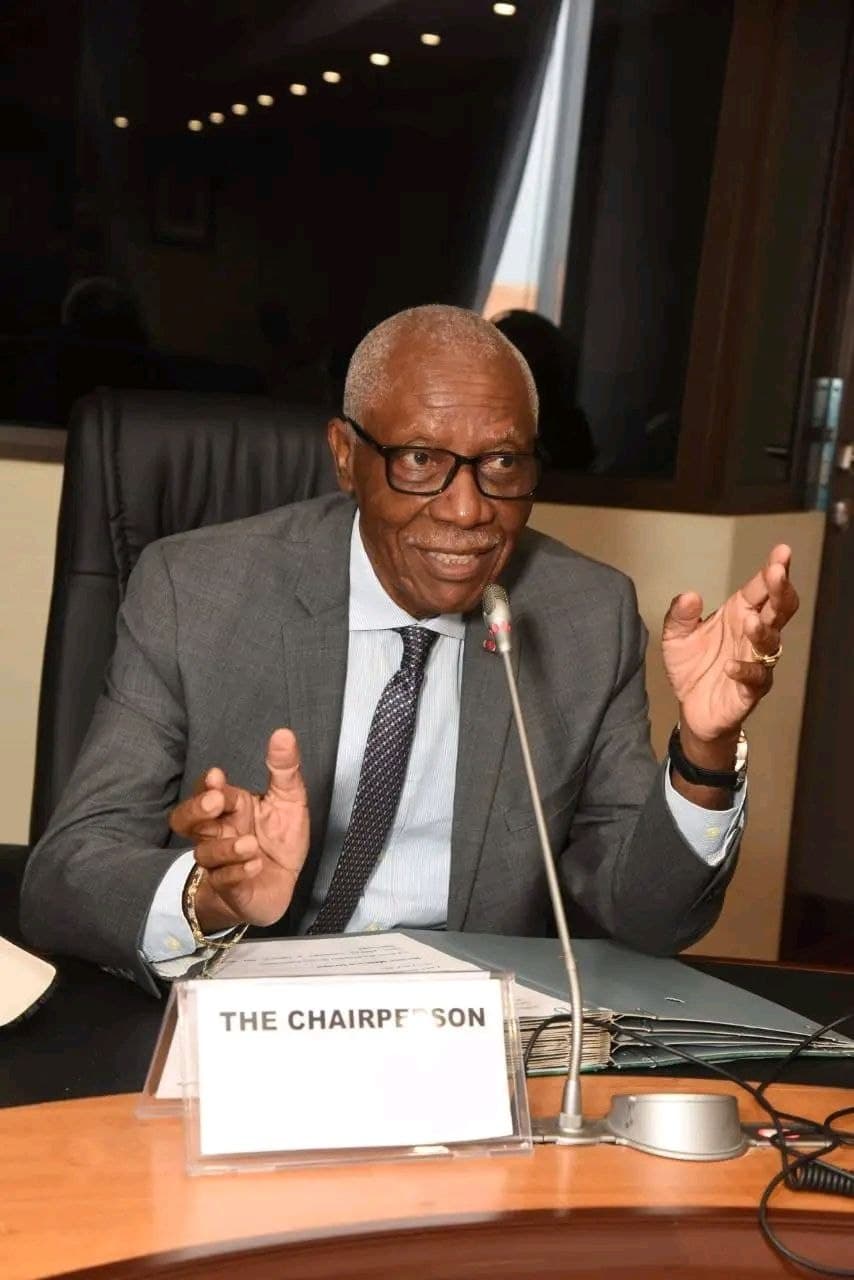
The speeches had been made. The photographs had been taken. The historic elections of a new Senate President and a first female Vice President had made their mark on the national conversation. Now it was time to work.
In the days following the renewal of the Senate bureau, the upper house of Cameroon's parliament moved swiftly to constitute its nine standing commissions, the backbone of the institution's legislative and oversight function. The plenary session during which the lists were presented and approved was presided over by First Vice President Naomie Begala Mikel Akono, herself a fresh symbol of the chamber's new face, stepping into the chair with the composure of someone who had been preparing for precisely this kind of moment.
The lists of commission members were presented before the full chamber and adopted without objection, a procedural smoothness that speaks to the degree of internal coordination already in place within the ruling RDPC's parliamentary group. Work then moved immediately into the commission rooms, where the real architecture of the Senate's legislative agenda begins to take shape. Overseeing the operational flow on the ground were Badel Ndanga Ndinga, President of the RDPC Parliamentary Group in the Senate, and Gustave Léopold Ngane, Secretary General of the institution.
Among the most closely watched appointments, Senator Jean Marie Pongmoni was elected to head the Commission on Defence and National Security, one of the most sensitive portfolios in any parliament, more so in a country still navigating the security challenges of the North-West and South-West regions. Senator David Siegfried Etame Massoma, meanwhile, returned to lead the Commission on Constitutional Laws, a role he had previously held and one that carries particular relevance at a moment when constitutional questions are very much alive in the public debate.
That debate has intensified in recent weeks. The National Assembly voted on 19 March 2026 to extend the mandate of members of parliament until 20 December 2026, a decision that has drawn both legal scrutiny and criticism from civil society quarters. For a Senate commission dedicated to constitutional law, the timing of Etame Massoma's return to that chair could hardly be more pointed.
The nine commissions collectively cover the full spectrum of the Senate's work, from finance and planning to foreign affairs, from social and cultural matters to local governance and decentralisation. Their constitution marks the formal transition of the upper house from electoral mode to legislative mode, with a calendar that, despite the extended mandate context, remains dense with pending texts and oversight responsibilities.
The Senate now has its leadership in place, its commissions constituted and its working structures activated. What it does with those structures, in a year already defined by political uncertainty and deferred elections, will be the measure by which this new chapter of the institution is ultimately judged.