

Parliament
GOVERNMENT TABLES BILL TO EXTEND MP MANDATES FOR A SECOND TIME IN TWO YEARS

Njila Boris
March 2026
2 min read
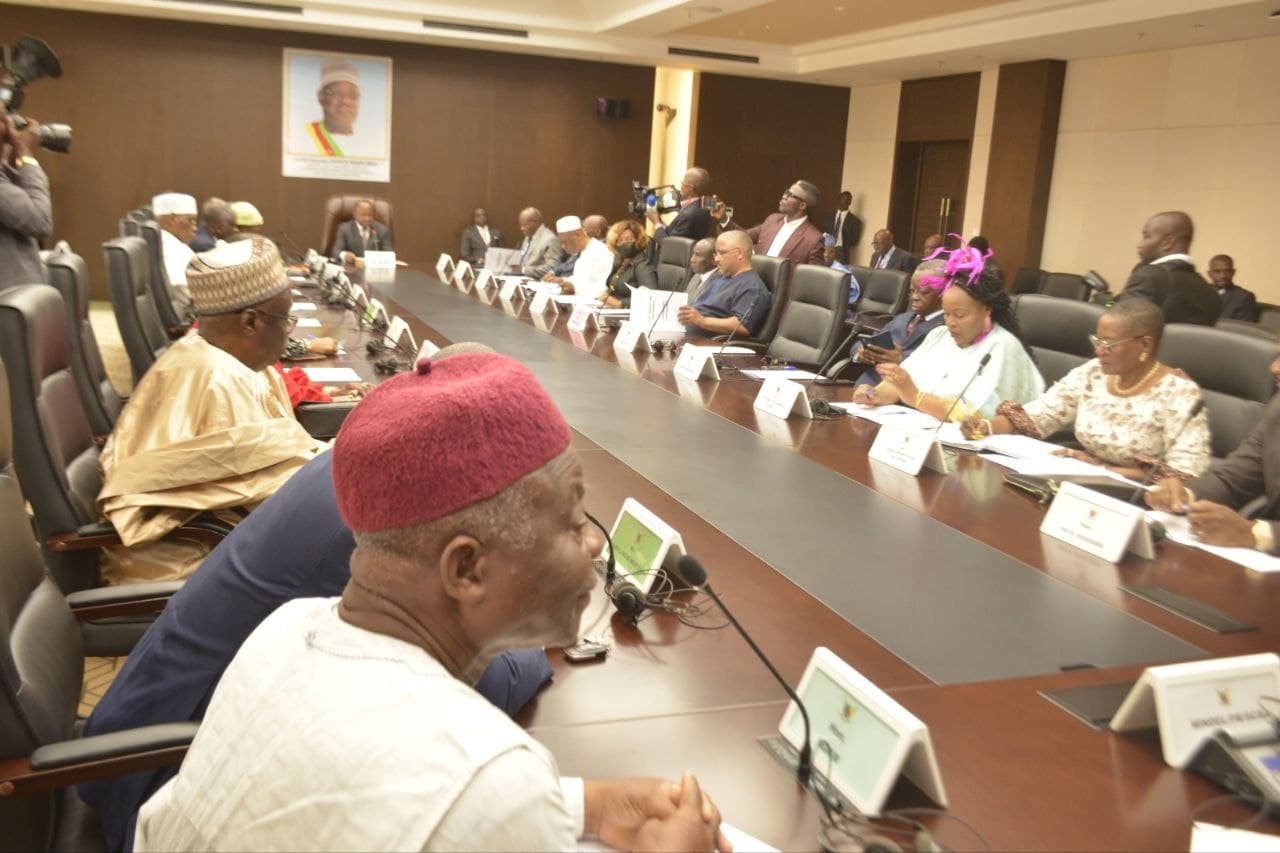
Bill No. 2092/PJL/AN, seeking to extend the mandate of Members of the National Assembly from 31 March to 20 December 2026, has been formally tabled at the lower house of Cameroon's parliament.
The bill followed the established procedural route. It was first received and examined at the Chairman's Conference, presided over by Speaker Théodore Datouo, before being formally communicated to the full chamber in plenary. The bill was presented to lawmakers by François Bolvine Wakata, Minister Delegate at the Presidency in charge of Relations with the Assemblies, who defended the measure on grounds of economic necessity and logistical readiness.
This is not the first time Cameroon's parliament has found itself in this position. In July 2024, a similar bill was tabled at the National Assembly and examined by the Constitutional Laws Committee, proposing an extension of the term of office of Members of Parliament to 30 March 2026, adding one year to a mandate that was originally due to expire in March 2025. That bill was approved by the lower house on 9 July 2024. The law that resulted, Law No. 2024/011 of 24 July 2024, formally sealed the first extension.
Now, barely two years later, a second extension is on the table, this time adding a further nine months to a mandate that has already been stretched once.
The justification presented to lawmakers mirrors the arguments made in 2024. The explanatory statement accompanying the bill cites Article 15(4) of the 1996 Constitution, which permits the extension of parliamentary mandates in cases of serious crisis or where circumstances so warrant, following consultation with the President of the Constitutional Council and the bureaux of both chambers. Officials argue that the financial strain of organising elections so soon after the presidential poll of October 2025 and the regional council elections makes another deferral both prudent and necessary. The bill also points to the need for electoral authorities to properly reorganise and ensure a calmer, better-prepared polling process.
Not everyone is convinced. Civil society voices have pushed back on the measure, with some legal practitioners questioning whether electoral timelines are becoming flexible at the discretion of those in power, and warning against the normalisation of extensions that gradually stretch constitutional safeguards.
The political context is also worth noting. The 10th legislature, elected in 2020 for a five-year term, will now potentially sit until December 2026 if the bill is adopted, meaning that Cameroon's current parliamentarians will have served six and a half years before voters are given the opportunity to renew or revoke their confidence.
The National Assembly approved the bill during a plenary session held on 19 March, passing it onto the Senate for consideration. A vote in the upper house is expected in the coming days.
What the process underlines, above all, is that Cameroon's electoral calendar remains a work in progress, shaped as much by institutional and financial constraints as by the constitutional framework designed to govern it.